

What Is Somatic Therapy?
As part of our work at KlarCare, you may notice me talking more about the autonomic nervous system and introducing basic somatic (body-based) tools. I want to explain what this is, why it matters, and how it fits into your care.
What Is Somatic Therapy?
Somatic therapy is a body-based approach to regulating the nervous system.
Rather than focusing primarily on thoughts or analyzing experiences (“top-down” work), somatic approaches work from the bottom up—> by paying attention to physical sensations, movement, breath, and the body’s natural signals of safety and stress.
This is based on a simple but powerful idea:
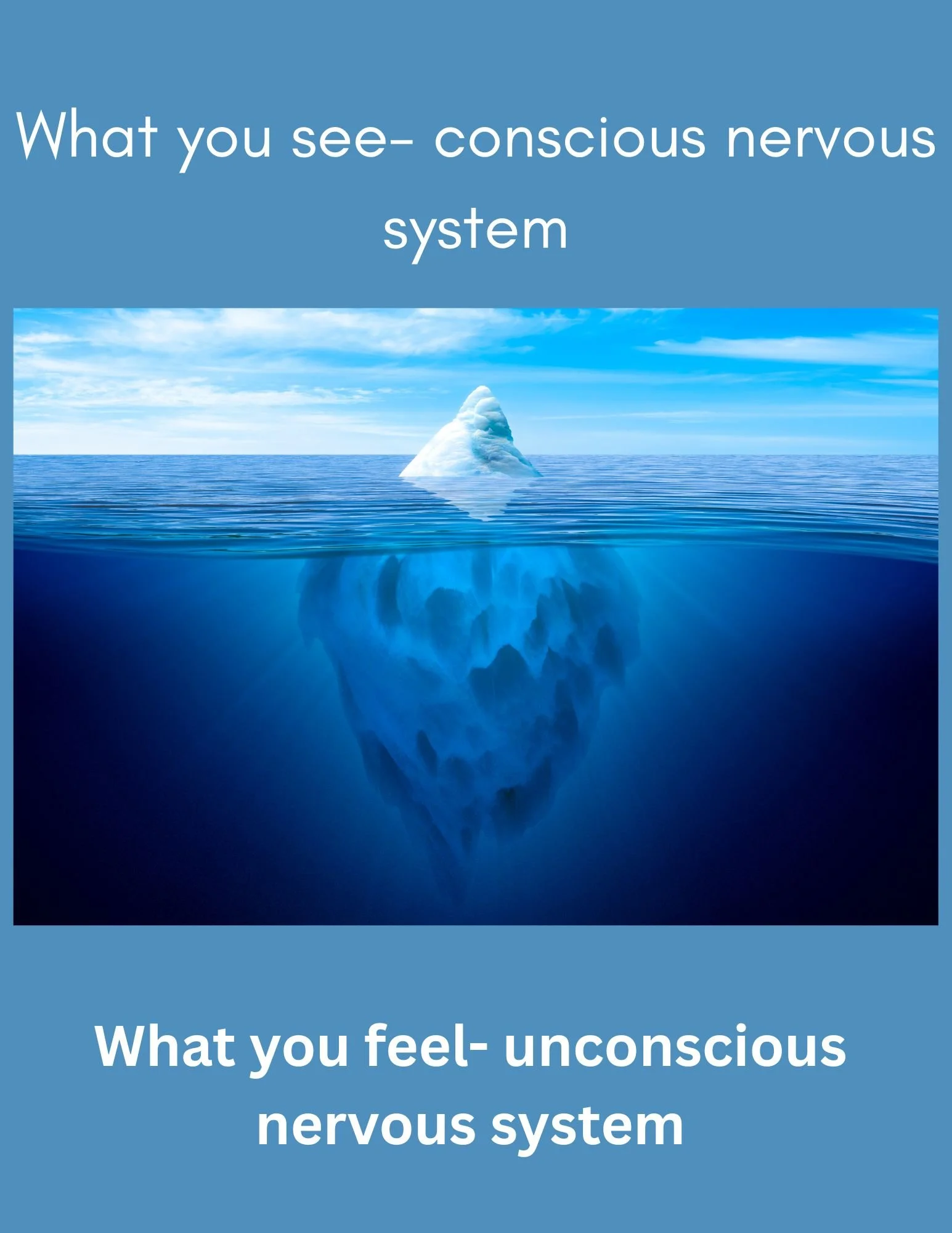
Your nervous system learned its patterns through experience, not logic- so it often needs body-based input to relearn safety.
Why the Body Matters (The Science & History)
Research over the past several decades has shown that chronic stress and trauma are stored and expressed through the body, often contributing to physical illness.
Some foundational work includes:
The Adverse Childhood Experiences (ACE) Study (1990s):
This landmark research demonstrated a strong, dose-dependent relationship between early life stress and later development of chronic diseases of all types- heart disease, autoimmune illness, cancer, diabetes, depression, addiction- a pretty all encompassing list. We actually realized early childhood trauma was one of the best predictors of disease… and as the research went on we found adult trauma has huge disease risk implications as well.Trauma & the Nervous System:
Clinicians and researchers such as Dr. Bessel van der Kolk (author of The Body Keeps the Score) have shown that traumatic stress alters how the brain and nervous system function—often bypassing conscious thought entirely.Modern Therapies:
Body-based approaches like EMDR, Brainspotting, Somatic Experiencing, and trauma-informed physical therapies are now widely used in psychology, physical rehabilitation, and chronic illness care because they help recalibrate the nervous system at a physiological level.
This can be a difficult idea for modern brains to accept.
For most of human history, people lived in environments that naturally trained nervous system awareness. Daily life was shaped by daylight, seasons, weather, physical labor, and long periods of quiet or boredom. Attention regularly returned to the body, not because people were “mindful,” but because there was space to notice hunger, fatigue, tension, and relief.
Today, we live in the opposite environment.
Artificial light disrupts natural sleep-wake cycles. Constant stimulation from phones, screens, and schedules pulls attention outward. Productivity and responsiveness are rewarded, while stillness is often uncomfortable or avoided. Many people are rarely asked to notice how their body feels—only how much they can produce.
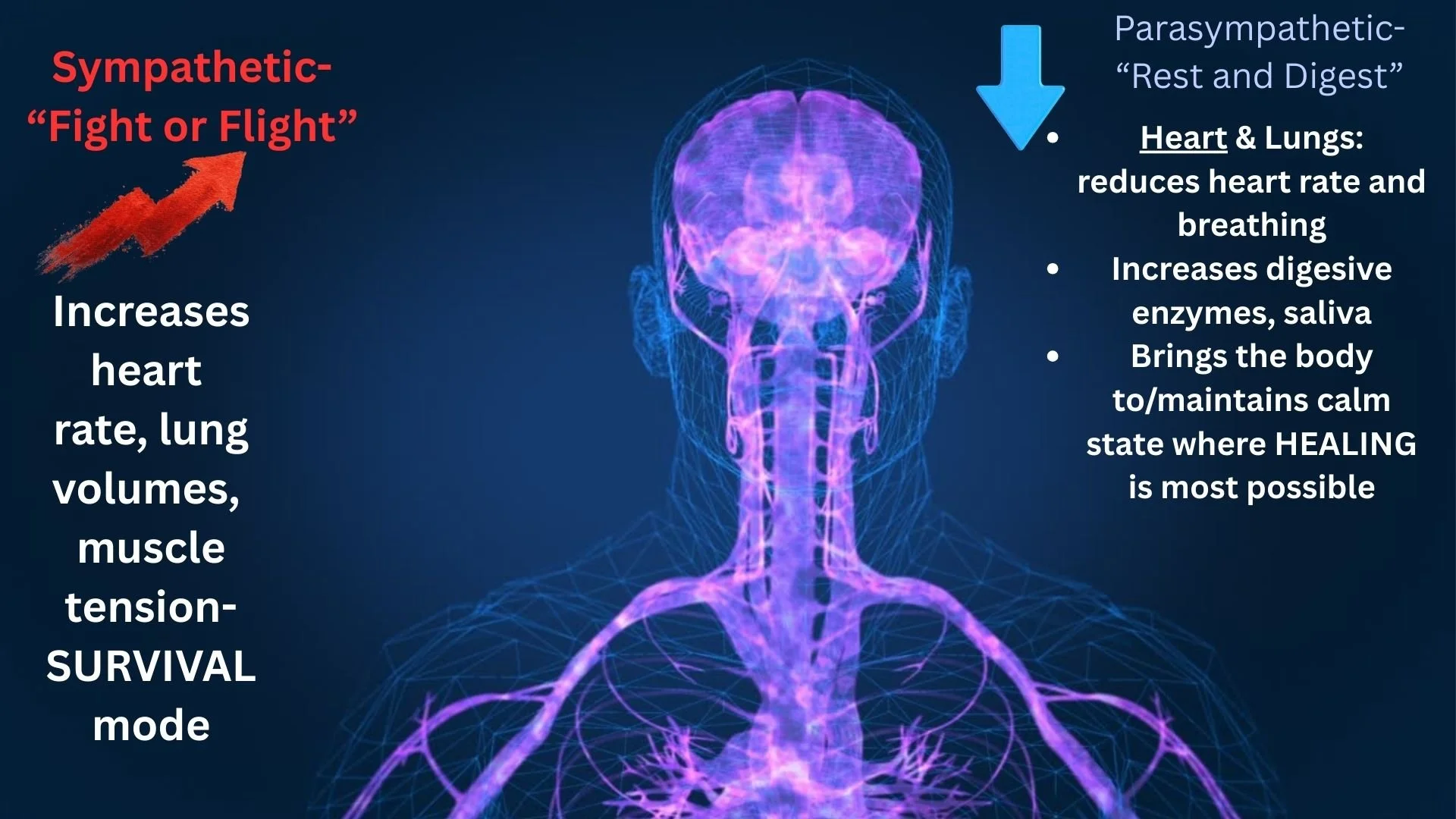
Because of this, interoception (the ability to sense internal body signals) becomes underused.
This is not a character flaw. It’s a predictable adaptation to modern life.
Why This Can Feel Uncomfortable at First
When people begin reconnecting with bodily sensations, they often notice:
Restlessness or impatience
Discomfort with stillness
Difficulty identifying sensations
A sense of “this feels pointless”
Emotional or physical awareness they’ve been overriding for years
That doesn’t mean something is wrong.
It means the nervous system is no longer being drowned out by constant external input.
Like any skill that hasn’t been used, body awareness feels awkward before it feels helpful.
Why Starting Anyway Matters for Health
Rebuilding this connection—even slowly—has measurable benefits:
Improved sleep quality and circadian rhythm regulation
Reduced baseline stress hormones
Better digestion and immune signaling
Improved emotional regulation
Increased resilience under pressure
Most importantly, it restores the ability to hear early warning signals, instead of only noticing symptoms once the system is overwhelmed.
This isn’t about becoming passive or less driven.
It’s about restoring the feedback loop that allows effort to be sustainable again.
You Don’t Need to Be Good at This
You don’t need long practices, perfect focus, or special insight. You just need to start somewhere.
The nervous system doesn’t relearn safety through explanation—it relearns it through repeated, gentle experiences of being present without threat. Even brief moments of neutral curiosity without judgemetn make a difference when repeated over and over.
That’s the work. And it’s why even small steps matter.